




































When temperatures rise, our body has to adapt to different conditions: we sweat more, lose more fluids and minerals, and often experience a decrease in appetite.
That’s why choosing the right foods during hot weather can help support energy levels, hydration, and overall well-being throughout the day.
The best foods to eat in summer are generally those rich in water, vitamins, minerals, fiber, and easily digestible nutrients. Seasonal fruits and vegetables, lean proteins, whole grains, and healthy fats can all contribute to a balanced diet, even during the hottest months.
What to eat when it’s hot: the basics of a healthy summer diet
When the weather is hot, the body activates several mechanisms to regulate its temperature, mainly through sweating.
This process leads to a greater loss of water and electrolytes such as sodium and potassium.
For this reason, during summer it’s important not to focus only on “eating cold foods,” but rather on choosing foods that truly support the body’s needs.
The best foods to eat in hot weather generally have these characteristics:
· high water content;
· rich in vitamins and minerals;
· easy to digest;
· able to provide energy without making you feel heavy;
· a good source of fiber to support gut health.
1. Water-rich fruits: a natural ally against the heat
Summer fruits are among the best foods to choose when temperatures rise because they combine hydration, micronutrients, and bioactive compounds.
Some of the best options include:
Watermelon
Watermelon is one of the ultimate summer fruits thanks to its high water content. It is light, refreshing, and can contribute to daily hydration.
It also contains lycopene, a carotenoid with antioxidant properties that is also found in tomatoes.
Melon
Melon provides water, potassium, and vitamins, including vitamin C and carotenoids. It can be enjoyed as a snack or paired with other foods to create balanced summer meals.
Peaches and apricots
Peaches and apricots are typical summer fruits rich in water and fiber. Their natural sweetness can help satisfy cravings for something fresh without necessarily turning to foods high in added sugars.
Berries
Blueberries, raspberries, and blackberries provide fiber and polyphenols, compounds studied for their potential role in helping protect cells from oxidative stress.
2. Summer vegetables: hydration and essential nutrients
Vegetables are essential during hot weather because they help increase water and nutrient intake while keeping calorie intake naturally low.
Some of the best choices include:
Cucumbers
Cucumbers are made mostly of water and are among the most hydrating foods to include in summer meals.
Tomatoes
Tomatoes are rich in water and contain lycopene, a natural antioxidant studied for its role in supporting cellular protection.
Leafy green vegetables
Lettuce, arugula, and other leafy greens provide fiber, minerals, and micronutrients. They are also easy to combine with proteins and healthy fats to create complete, balanced meals.
Zucchini
Zucchini is light and easy to digest, making it ideal for summer dishes such as grilled vegetables, side dishes, or cold meals.
3. Potassium-rich foods to replace lost minerals
When we sweat heavily, we don’t only lose water — we also lose minerals. Potassium is one of the key electrolytes involved in fluid balance and normal muscle function.
Some potassium-rich foods include:
· bananas;
· avocado;
· legumes;
· nuts;
· leafy green vegetables.
Including these foods in your summer diet can be especially helpful during physical activity or prolonged exposure to high temperatures.
4. Lean proteins: what to eat without feeling too full
During hot weather, many people naturally eat less, but maintaining an adequate protein intake remains important.
Protein supports muscle maintenance and plays a key role in many biological processes.
During summer, lighter protein sources can be a good choice, such as:
· fish;
· eggs;
· plain yogurt;
· legumes;
· lean meats.
Simple meals like salads with legumes, vegetables, and a protein source can be a practical and balanced option.
5. Whole grains and carbohydrates: why you shouldn’t cut them out in summer
A common mistake during hot weather is completely eliminating carbohydrates. In reality, carbohydrates are one of the body’s main sources of energy.
The better approach is to choose high-quality sources, such as:
· whole grains;
· oats;
· quinoa;
· spelt;
· brown rice.
When combined with vegetables and protein, they help create more balanced meals and provide a steadier energy release.
6. Healthy fats: small amounts, big benefits
Even during summer, quality fats are an important part of a balanced diet.
Sources such as:
· extra virgin olive oil;
· nuts;
· seeds;
· avocado;
provide unsaturated fatty acids and beneficial compounds that support overall well-being.
The key is consuming them in the right amounts, as fats are naturally calorie-dense nutrients.
What should you avoid when it’s extremely hot?
Knowing what to eat is important, but it’s also useful to understand which habits may make it harder for the body to handle high temperatures.
It’s best to limit:
Highly processed foods
Foods high in saturated fats, added sugars, and salt can be harder to digest and may contribute to feelings of heaviness.
Sugary drinks
Soft drinks and high-sugar juices can add calories without providing meaningful nutritional value.
Excess alcohol
Alcohol can contribute to dehydration and interfere with the body’s natural fluid balance.
What to eat when it’s hot and you don’t feel hungry
A reduced appetite during the hottest days of the year is common. In these situations, choosing smaller but nutrient-dense meals can be helpful.
Some ideas include:
· plain yogurt with fruit and nuts;
· salads with vegetables, legumes, and extra virgin olive oil;
· smoothies with fruit and protein-rich ingredients;
· cold dishes made with whole grains and vegetables.
The goal should not simply be to eat less, but to choose foods that better meet the body’s needs.
Summer nutrition and well-being: the role of a balanced diet
Hot weather can put extra strain on the body and its metabolism, but a balanced diet can help support energy levels, hydration, and overall well-being.
An effective nutritional approach is not based on individual “superfoods” or “miracle foods,” but on the overall quality of your diet: choosing high-quality ingredients, eating a wide variety of foods, ensuring an adequate intake of essential nutrients, and maintaining healthy eating habits over time.
In fact, following a balanced diet is about more than simply feeling your best during the summer months. It’s also an important way to support your metabolic health in the long term. A growing body of research suggests that everyday dietary choices can influence processes linked to healthy aging and overall well-being.
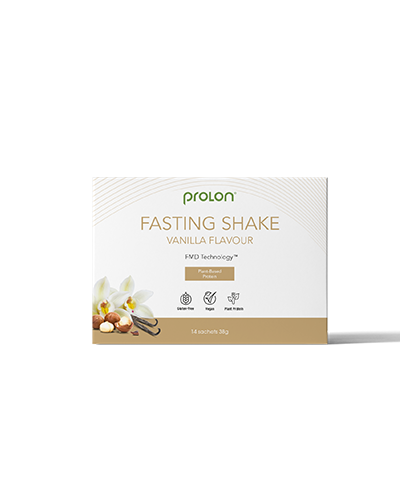
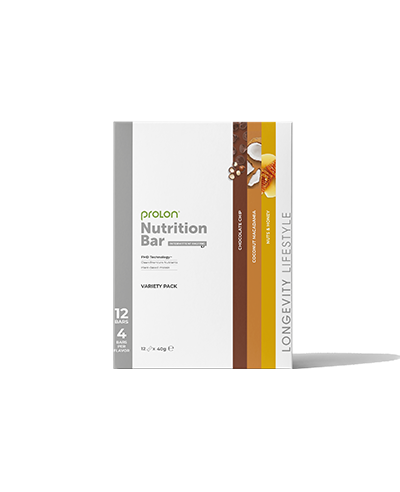
This broader view of nutrition is the foundation of science-backed approaches such as the Prolon® Fasting Mimicking Diet, developed from the research of Professor Valter Longo to help support metabolic health and promote healthy aging.


